

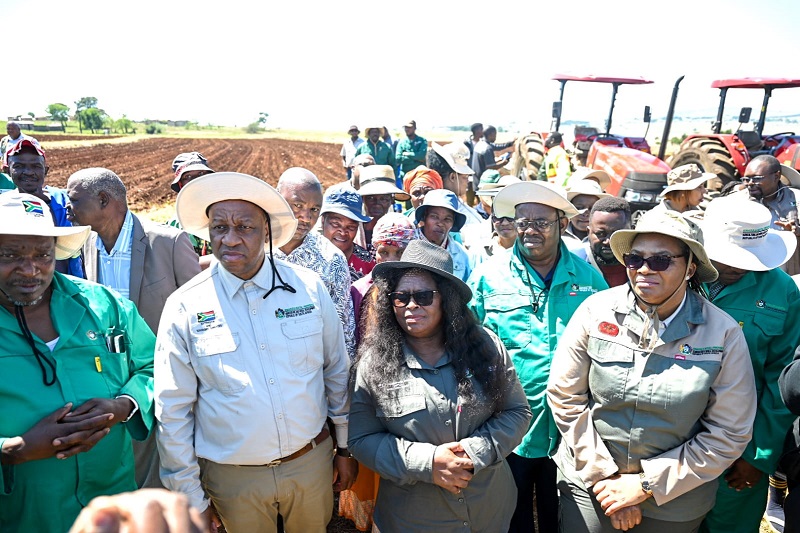
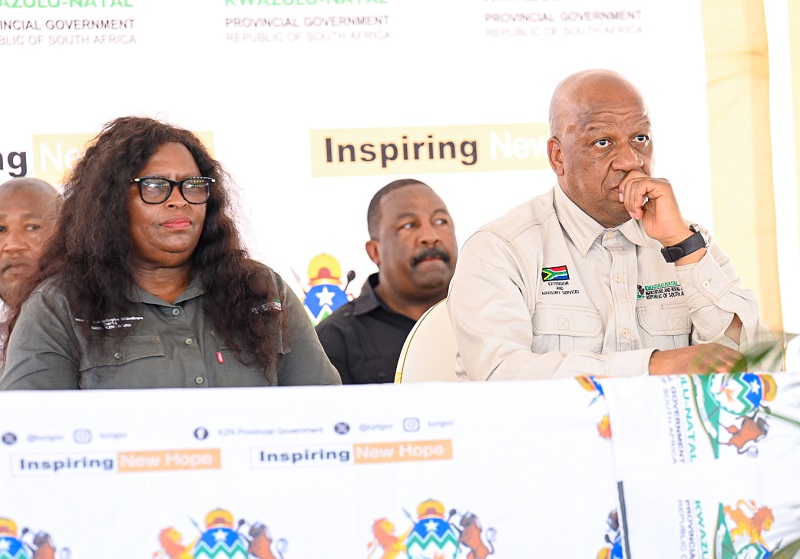
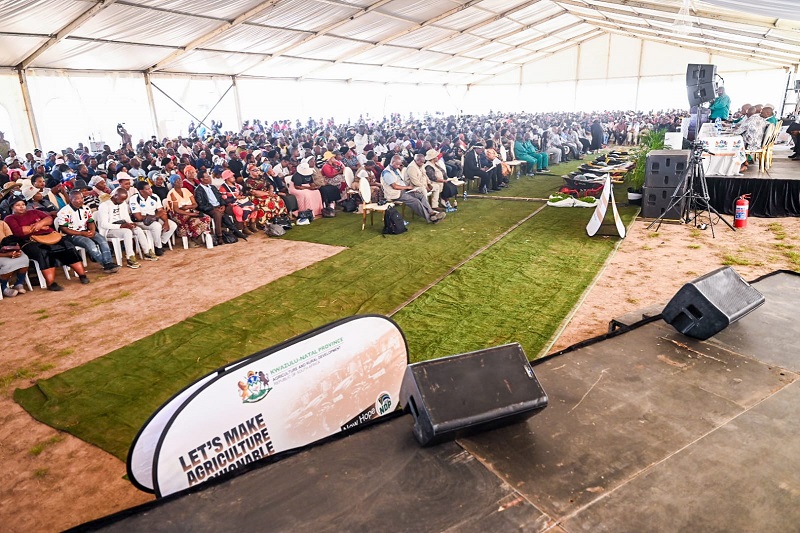
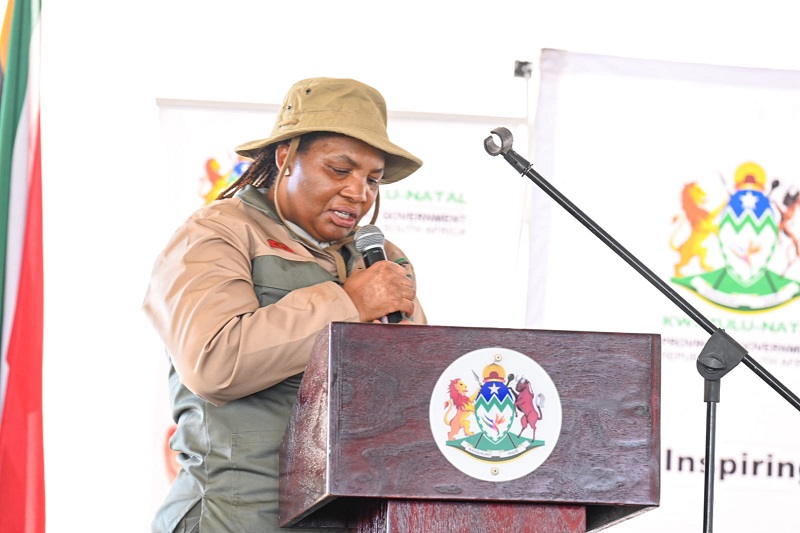
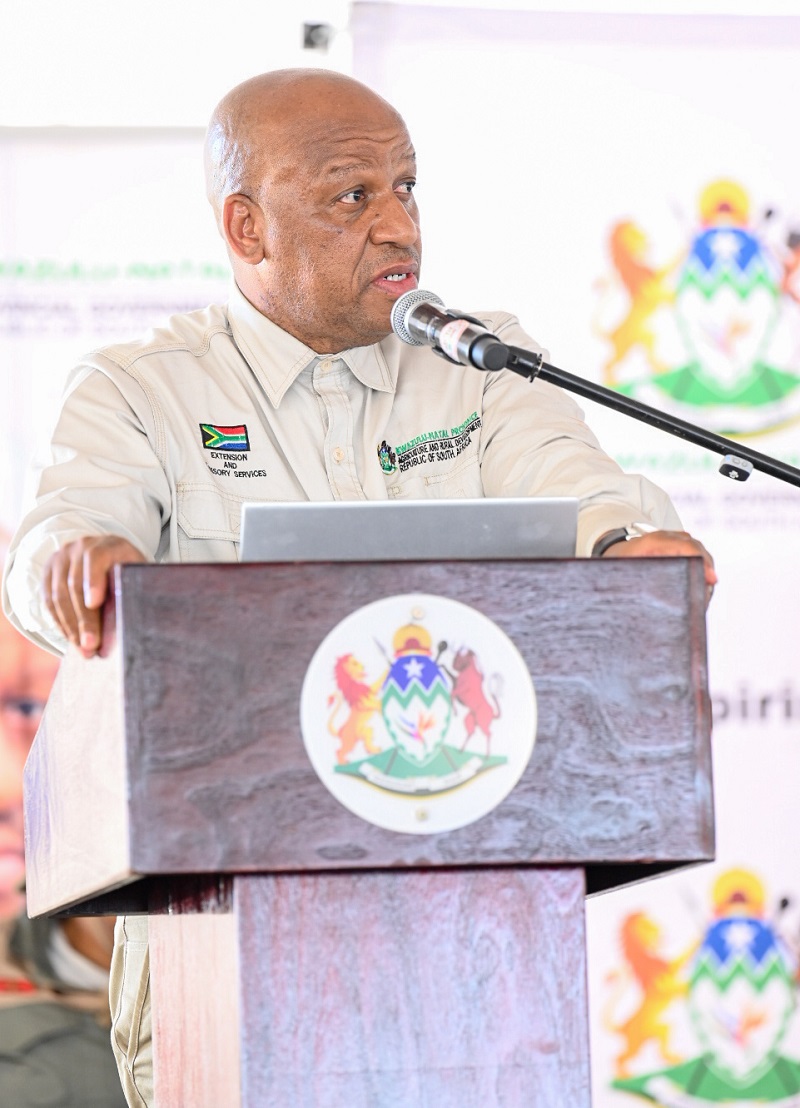
KwaZulu-Natal Premier, Mr Thamsanqa Ntuli and MEC for Agriculture and Rural Development Mrs Thembeni KaMadlopha-Mthethwa officially launched the 2026 Multi-Planting Season on Saturday 03 October 2026 at KwaGuqu in the Dlebe area in Ulundi. The launch marks a major push to unlock under-utilised land, increase food production and bring small-scale farmers into commercial agriculture.
Premier Ntuli described the vast, fertile land of the Kwadidwayini Cooperative, led by 31 women, as a 'Promised Land' for agriculture in Zululand. The delegation also visited the two-hectare Vukuzakhe Cooperative, a 20 women-led project producing onions, cabbage, potatoes and tomatoes, which will receive fencing, irrigation, production inputs and market support.
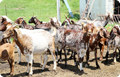
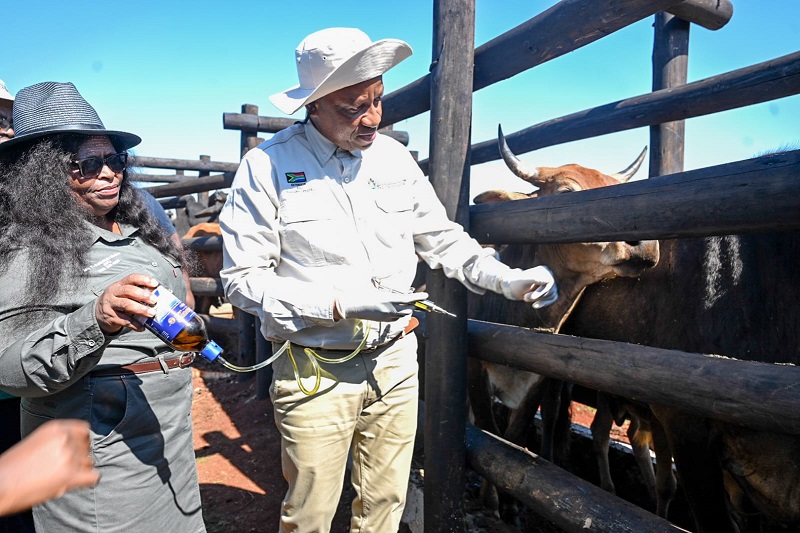
The Premier and MEC also handed over a new diptank at KwaNqindi in Dlebe. Small-scale livestock farmers welcomed the diptank, saying it will end long walks to the nearest facility. MEC KaMadlopha-Mthethwa said the diptank brings animal health services closer to communities and will help prevent livestock diseases.
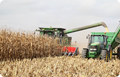
Delivering her address, MEC KaMadlopha-Mthethwa said farming must be guided by science, not guesswork. She confirmed that soil samples have been taken from the 50 hectares to be planted in the area - 30 hectares at KwaGuqu for 34 beneficiaries and 20 hectares at eMkhiweni for 32 beneficiaries - and that fertilizer will only be issued after soil results are received to ensure the right input for the right soil. She reported that 35 hectares have already been prepared by seven tractors. The Department is strengthening mechanisation capacity with 57 EPWP tractor drivers, including 25 currently in training.
The MEC warned that the province is facing an El Niño during the 2026/27 summer season, which is expected to bring below-normal rainfall and above-normal temperatures. This poses a serious risk of reduced yields for staple rain-fed crops like maize, dry beans and soybeans, weakened veld and grazing, water shortages, higher feed costs and increased risk of veld fires, pests and animal diseases. High-risk districts include Amajuba, Zululand, Umkhanyakude, uThukela, uMzinyathi, uMgungundlovu and parts of Harry Gwala.
Agricultural scientists say the area of Dlebe falls under Dry Lowveld Tall Grassveld (VB11) with the soil called Hutton soil described as good and fertile soil for farming. It drains well, holds nutrients, and allows roots to grow deep, making it suitable for growing grain.
If optimally used, farmers can harvest up to 4.7 tons of maize per hectare on this dryland.






 Anonymous National Anti-corruption Hotline: 0800 701 701